Ellis Brooks · 22 October 2026
Regional Creatives and Scholars Spark Fresh Momentum for Town-Wide Renewal
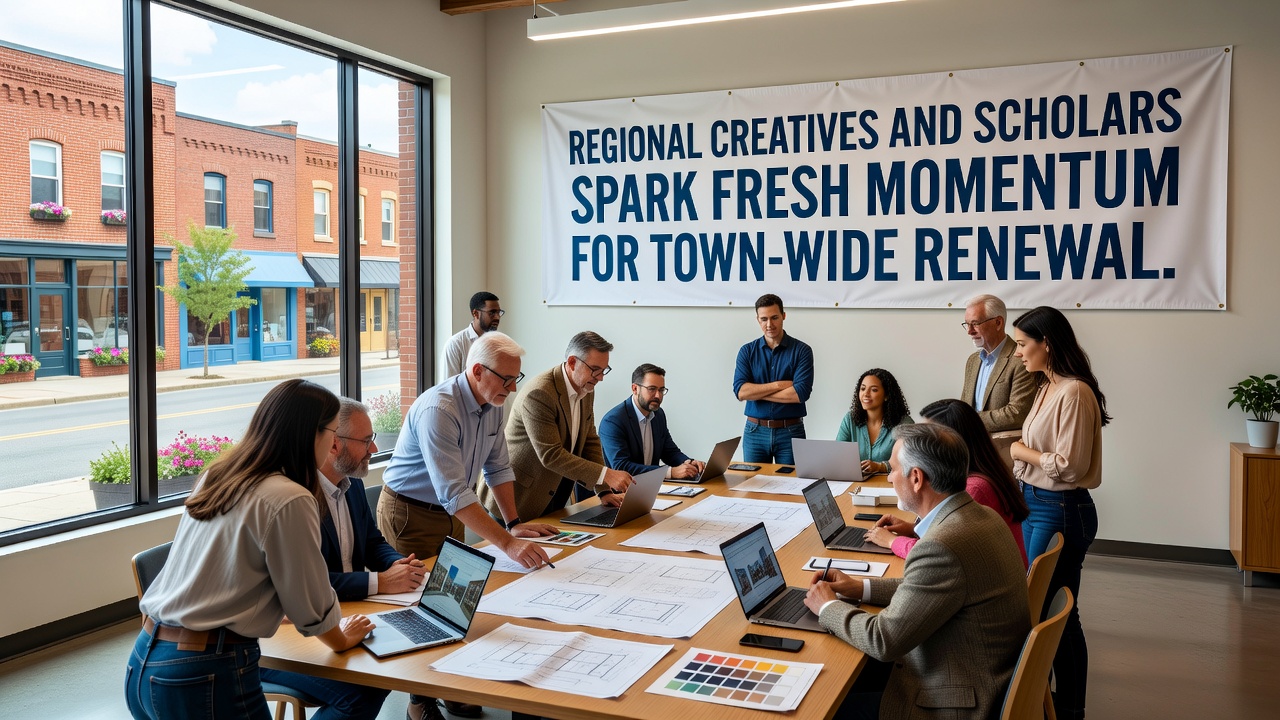
Regional creatives and scholars have joined forces in several mid-sized towns to launch coordinated efforts that blend artistic installations with academic research, and these partnerships focus on restoring underused public spaces while documenting local histories through collaborative mapping projects. Data from similar initiatives tracked by the National Endowment for the Humanities shows measurable increases in community participation rates during the initial phases of such programs.
Creative Contributions to Urban Spaces
Artists working alongside urban planners have redesigned vacant lots into multifunctional areas that serve both cultural events and educational workshops, and these transformations rely on input from residents who provide feedback during public forums held throughout the year. One project in a Midwest community converted an abandoned rail yard into an outdoor gallery featuring rotating exhibits on regional ecology, while scholars from nearby colleges supplied scientific data that informed the selection of native plant species for the site.
Evidence from Statistics Canada indicates that towns incorporating creative placemaking elements experience higher foot traffic in commercial districts within eighteen months of project completion, and the figures reveal consistent patterns across multiple provinces where artist-led interventions coincide with small business growth.
Scholarly Research Driving Preservation Efforts
University teams have compiled oral histories and environmental studies that guide renewal strategies, and their findings help prioritize which buildings and landscapes receive restoration funding based on documented cultural significance. In October 2026 a series of public lectures and field studies occurred across three towns, allowing residents to review preliminary data sets before final plans moved forward.
Researchers discovered that integrating academic frameworks with community knowledge produces more durable outcomes than top-down approaches alone, and case studies compiled by the European Commission on cultural heritage projects confirm this trend through longitudinal analysis spanning five countries.
Combined Initiatives and Measurable Outcomes
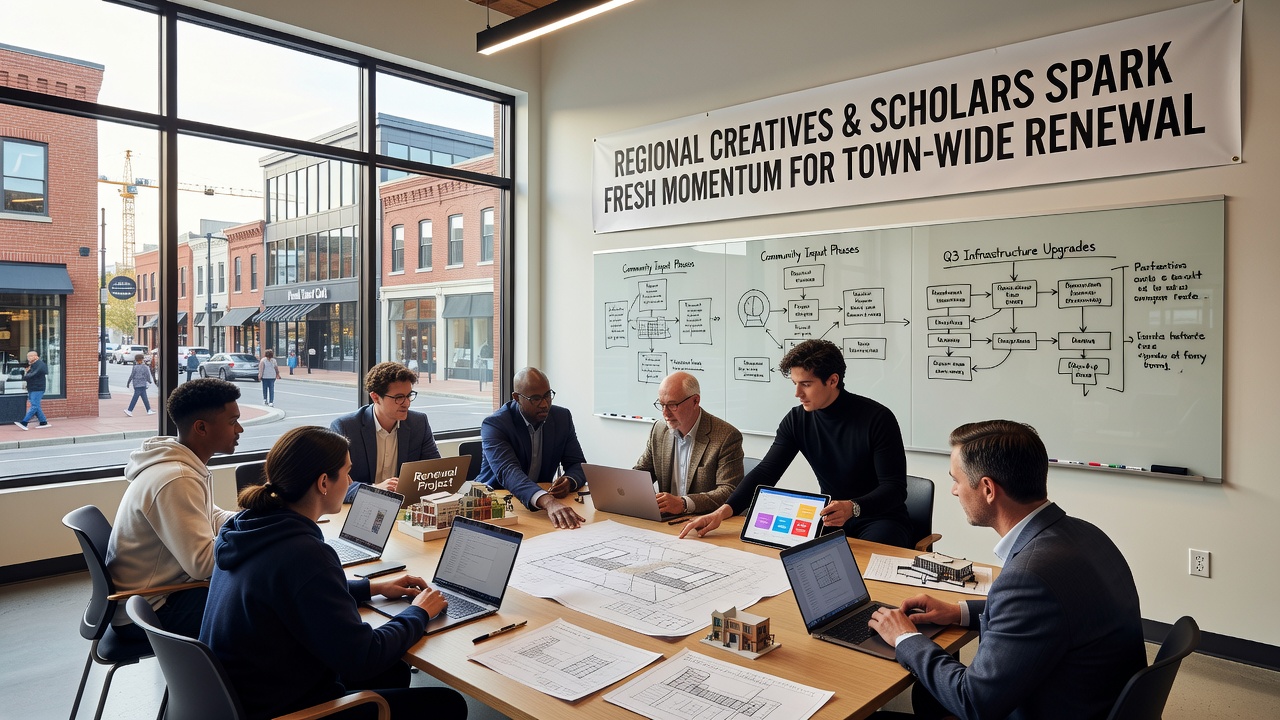
Joint teams of creatives and scholars have established pop-up archives and digital platforms that catalog regional stories, and these resources attract visitors who then participate in guided tours that highlight both artistic and historical landmarks. Government reports from Australia’s Department of Infrastructure note that such hybrid cultural projects correlate with improved resident satisfaction scores in post-implementation surveys.
Funding for these efforts often comes through mixed public-private grants that require measurable milestones, and observers note that towns meeting early targets tend to secure additional support for subsequent phases. Workshops scheduled in October 2026 expanded on earlier mapping work by incorporating new data layers on climate resilience and demographic shifts.
Future Directions for Community Renewal
Continued collaboration between these groups points toward expanded networks that connect multiple towns, and shared databases allow smaller communities to adapt successful models from larger neighbors without duplicating initial research costs. Academic institutions have begun offering certificate programs that train local residents in basic archival techniques and event coordination skills.
Long-term tracking by independent research bodies shows that renewal projects rooted in both creative expression and scholarly rigor maintain momentum beyond the first two years more often than single-focus efforts, and the patterns hold across different geographic and economic contexts.
Conclusion
Regional creatives and scholars continue to refine their approaches based on feedback and emerging data, while towns that adopt these combined methods report sustained interest in public participation programs. The integration of artistic practice with academic inquiry provides a framework that other communities can examine and adapt according to their specific needs and available resources.