Olivia Albrecht · 1 September 2026
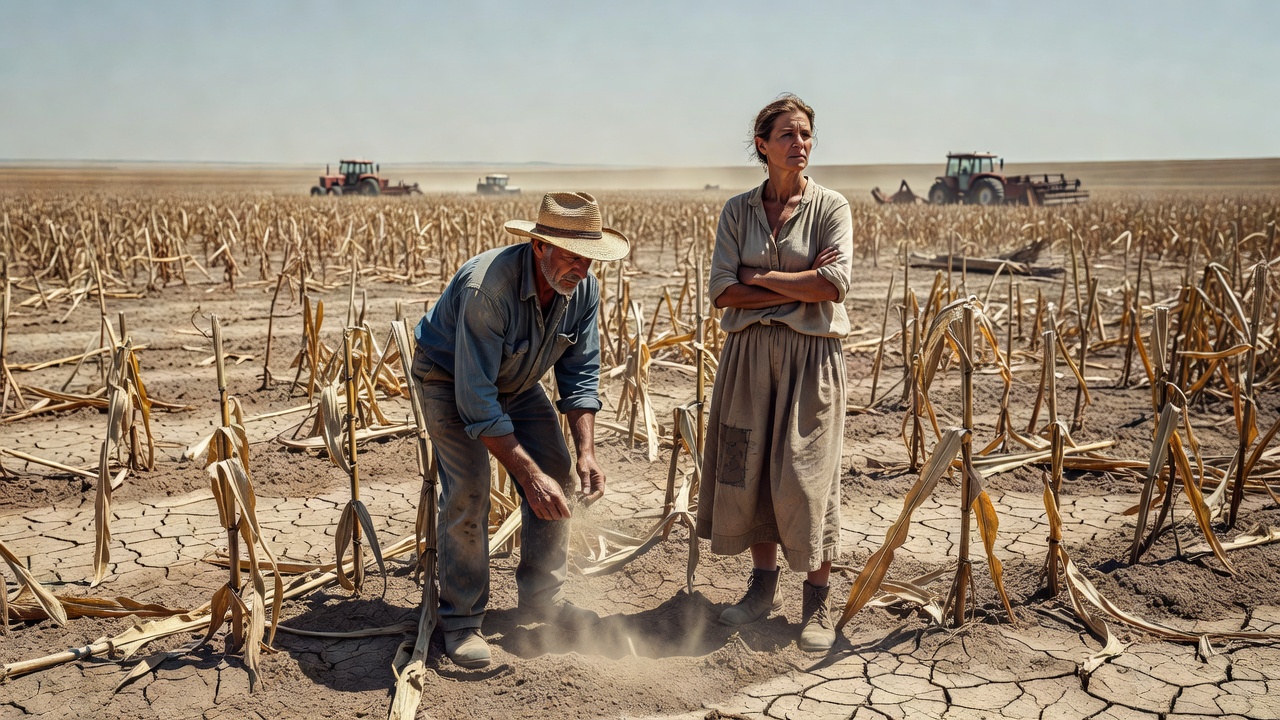
Local farmers across Slanora are contending with an extended period of low rainfall that has persisted for several months. The lack of precipitation has reduced soil moisture levels significantly, affecting planting schedules and crop development. Agricultural authorities report that average rainfall this season is 40 percent below historical norms, placing additional strain on irrigation systems and water reserves.
Effects on Local Agriculture
Cereal crops such as wheat and barley have shown stunted growth, with yields projected to decline by up to 25 percent compared to the previous year. Vegetable producers face similar difficulties, as reduced water availability limits the size and quality of harvests. Livestock farmers have also been impacted, with pasture lands drying out and forcing many to purchase supplemental feed at higher costs. Soil erosion risks have increased in areas where ground cover has thinned due to the dry conditions. Experts note that continued water deficits could lead to long-term degradation of arable land if mitigation steps are not taken promptly.
Market analysts indicate that these production shortfalls may contribute to rising prices for staple goods in regional markets. Smaller family-run operations are particularly vulnerable, as they often lack the financial buffers available to larger enterprises. Some growers have begun experimenting with drought-resistant seed varieties, though adoption remains limited by cost and availability.
Community and Government Responses
Local cooperatives have organized workshops to share water conservation techniques, including drip irrigation upgrades and rainwater harvesting methods. The regional agricultural department has allocated emergency funds to support affected farms, offering low-interest loans and subsidies for equipment repairs. Officials are also monitoring reservoir levels closely and have implemented temporary restrictions on non-essential water use. Community leaders emphasize the importance of coordinated planning to sustain farming activities through the current dry spell. Forecasts suggest that relief may arrive with seasonal rains expected in the coming weeks, yet preparedness remains essential to minimize further losses. Farmers continue to adapt practices while seeking additional support from both public and private sources.