Morgan Günther · 24 September 2026
Slanora's Emerging Digital Archive Sparks Fresh Interest in Regional Heritage Preservation
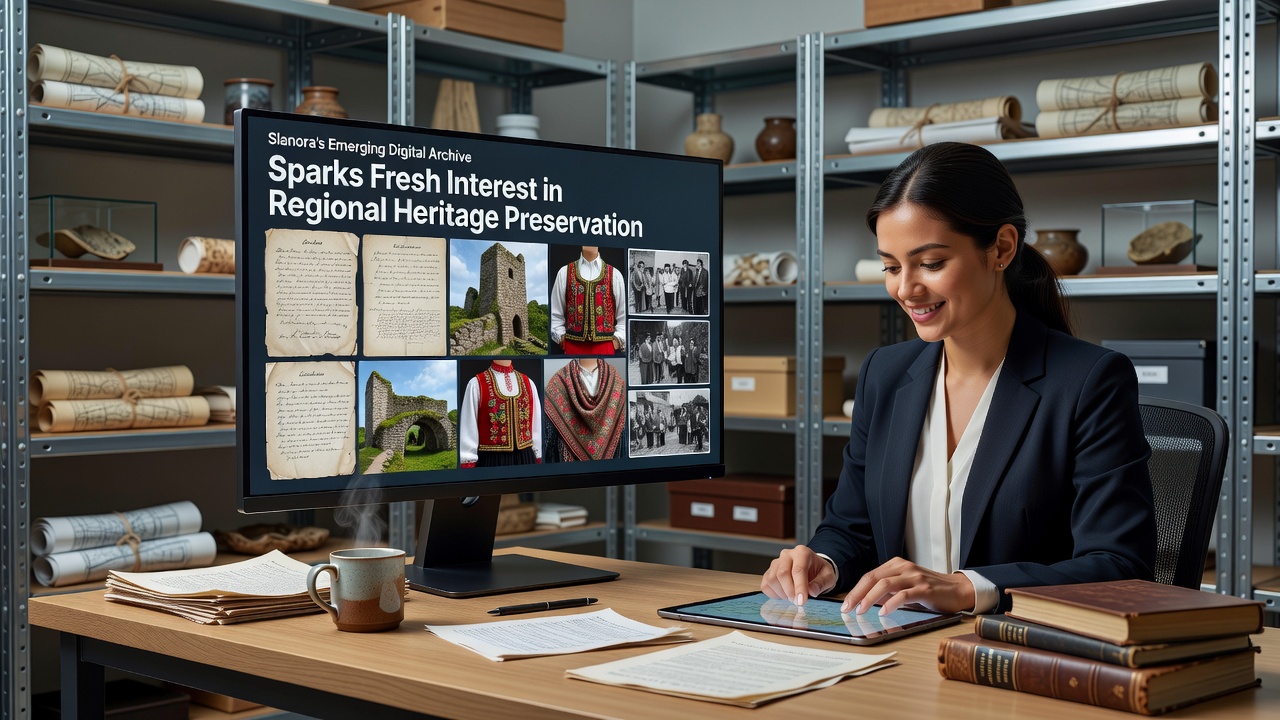
The launch of Slanora's digital archive has drawn attention to long-standing efforts at preserving regional heritage through technology, and this development gained momentum during September 2026 when additional collections became available online. Local institutions collaborated with technology partners to digitize thousands of documents, photographs, and oral histories that span several centuries of settlement and cultural activity in the area. Researchers discovered early maps and land records that revealed settlement patterns previously documented only in fragmented physical files, while community groups contributed family letters and photographs that expanded the scope of the collection beyond official records.
According to figures from the European Commission on cultural heritage initiatives, similar projects in other regions have increased public access to archival materials by up to 300 percent within the first year of digitization, and Slanora's effort follows comparable technical standards for metadata and long-term storage. The archive platform allows users to search by date, location, and theme, which has enabled historians to cross-reference materials that were once scattered across multiple municipal offices and private collections. One researcher who examined 19th-century trade ledgers noted connections between local merchants and broader European markets that had not appeared in earlier printed studies.
Expansion of Accessible Materials
Project coordinators reported that over 12,000 items were processed and uploaded by mid-2026, with ongoing work focused on fragile newspapers and audio recordings that required specialized equipment for conversion. The platform incorporates tools for annotation and citation that meet guidelines established by the International Council on Monuments and Sites, allowing users to create personal collections or contribute verified corrections to existing entries. Those who have studied comparable archives in other rural districts often find that interactive features encourage repeated visits from both academic researchers and local residents tracing family histories.
Community workshops held throughout the summer of 2026 introduced residents to the search functions and invited contributions of additional materials still held in private homes. Several participants brought forward diaries and business ledgers that filled gaps in the official municipal records, and these additions were incorporated after verification by archivists. The process has highlighted the role of public participation in building comprehensive digital resources, particularly when physical collections face risks from aging paper and inconsistent storage conditions.
Technical Standards and Partnerships
Developers implemented open-source software frameworks that align with preservation protocols used by major national libraries, ensuring that files remain readable as formats evolve. Partnerships with regional universities provided training for staff members responsible for ongoing curation, and these collaborations produced a series of public reports detailing the digitization workflow and lessons learned during the first phase. A study released by Library and Archives Canada in 2025 examined similar rural digitization projects and identified metadata consistency as a key factor in long-term usability, guidance that informed Slanora's approach from the outset.
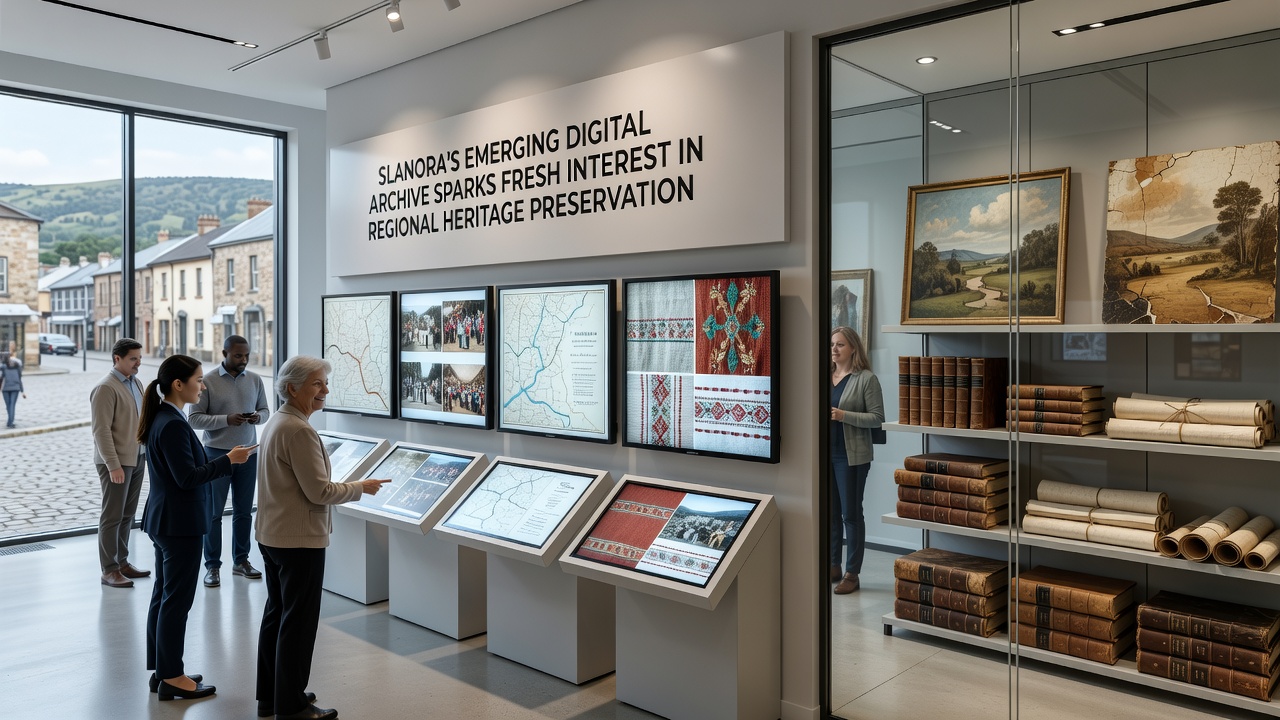
Funding for the archive came from a combination of municipal budgets, private donations, and grants aimed at cultural infrastructure, with expenditures tracked through publicly available quarterly summaries. Equipment purchases included high-resolution scanners and climate-controlled storage units for the remaining physical originals, while server infrastructure was designed with redundancy measures to protect against data loss. Observers note that the project's timeline aligned with broader regional initiatives to improve digital connectivity in smaller communities, which reduced some of the technical barriers that had delayed earlier attempts at large-scale digitization.
Public Engagement and Usage Patterns
Usage statistics released in September 2026 showed that more than 45,000 unique visitors accessed the archive in its first nine months, with peak activity occurring after the addition of new photographic collections. Educational institutions incorporated selections from the archive into local history curricula, and students produced reports that referenced specific documents now available without travel to physical repositories. Teachers reported that the ability to zoom in on handwritten texts and compare multiple versions of the same event helped students understand the challenges of interpreting historical sources.
Local heritage societies organized monthly discussion sessions based on newly digitized materials, and these gatherings frequently led to further donations of documents that had remained in family attics. The archive's search tools allowed participants to identify connections between seemingly unrelated items, such as linking a 1920s farm ledger to photographs of the same property taken decades later. Such discoveries have reinforced the value of centralized digital access for uncovering patterns that span generations.
Conclusion
The digital archive continues to receive contributions and refinements, with plans to integrate mapping layers that overlay historical property boundaries on current satellite imagery. These additions build on the foundation established during the initial rollout and reflect ongoing collaboration between technical teams and community stakeholders. Data from similar initiatives indicates that sustained updates and user feedback loops extend the useful lifespan of digital heritage resources well beyond the first few years of operation.