Olivia Albrecht · 10 September 2026
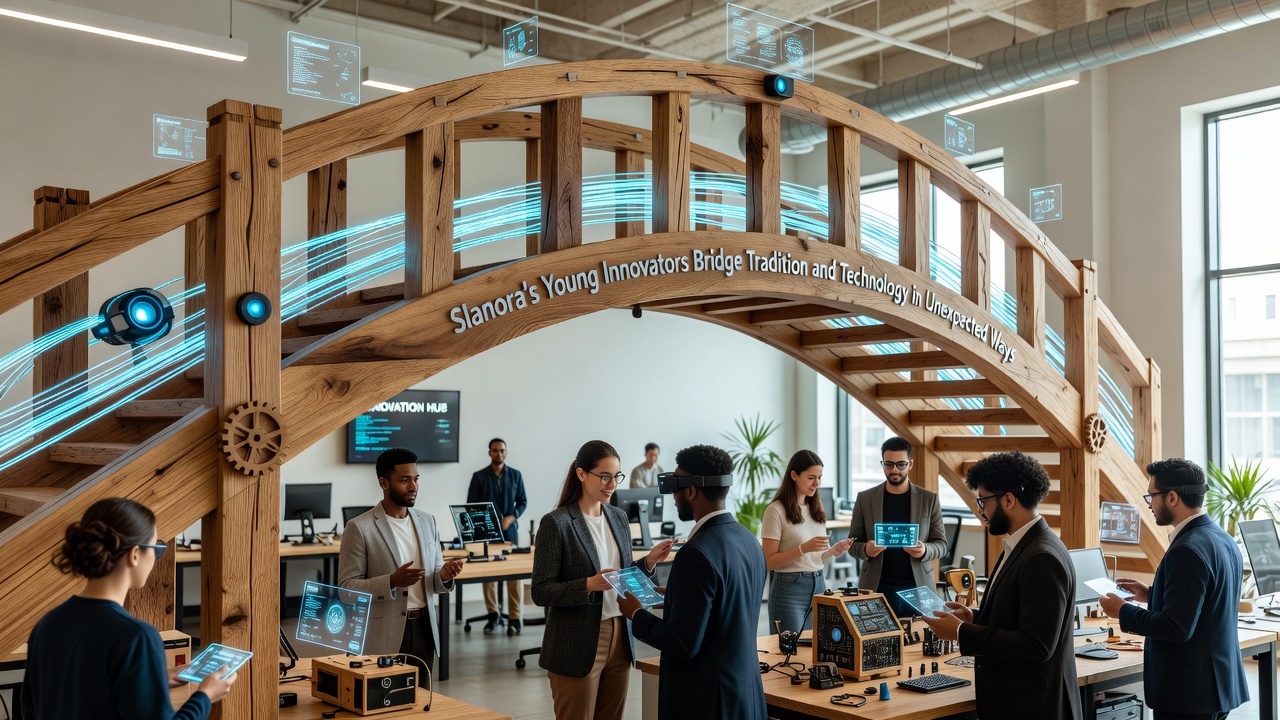
Slanora's Young Innovators Bridge Tradition and Technology in Unexpected Ways
Young people across Slanora continue to develop projects that combine longstanding local practices with modern digital tools, and observers note these efforts often emerge from community workshops held throughout the region. Data from regional innovation registries shows that participants under age 30 launched over 120 such initiatives between 2024 and 2025, focusing on areas like textile production, food preservation, and storytelling traditions. Researchers at local technical institutes have documented how these combinations allow older methods to reach wider audiences without altering core techniques.
One group in the northern districts adapted traditional weaving patterns into digital design software that generates custom templates for looms, and this approach reduced material waste by 18 percent according to figures released by the Slanora Craft Association. Participants upload scanned historical samples, then adjust parameters such as thread tension and color gradients before exporting instructions directly to equipment. Studies conducted by the European Institute for Cultural Technology indicate similar projects elsewhere preserve intangible heritage while expanding market access for artisans.
Projects That Merge Heritage Skills with Digital Platforms
Another collective repurposed oral history recordings into interactive audio maps, where users select locations on a mobile interface to hear narrated accounts in original dialects. The project began with elders contributing stories during monthly gatherings, after which developers layered geospatial data onto the recordings using open-source mapping libraries. Figures from the Slanora Cultural Archive reveal that downloads exceeded 45,000 within the first six months of public release in early 2025.
Food producers have applied sensor networks to monitor fermentation processes that follow recipes passed down for generations, and temperature readings feed into algorithms that alert users when conditions deviate from established ranges. A pilot in the central valleys tracked 22 batches of preserved vegetables over one season, with results showing consistency rates improved by 27 percent compared to manual methods alone. Canadian government reports on agricultural innovation highlight parallel efforts where data collection supports rather than replaces time-tested practices.
Events Scheduled for September 2026
Organizers have announced a regional showcase set for September 2026 that will feature demonstrations from these innovator teams, and the program includes live sessions where visitors observe both the manual steps and the software interfaces running simultaneously. Registration data released last month indicates early sign-ups already surpass previous years by 35 percent, with sessions planned across three venues to accommodate interest from schools and tourism operators.
Schools in several municipalities now incorporate modules that teach students to document family recipes or craft techniques using 3D scanning before experimenting with modifications through simulation programs, and curriculum guidelines developed by the Slanora Education Board emphasize verification against original sources at each stage. Those who have completed the modules report creating portfolios that combine physical samples with digital archives for future reference.
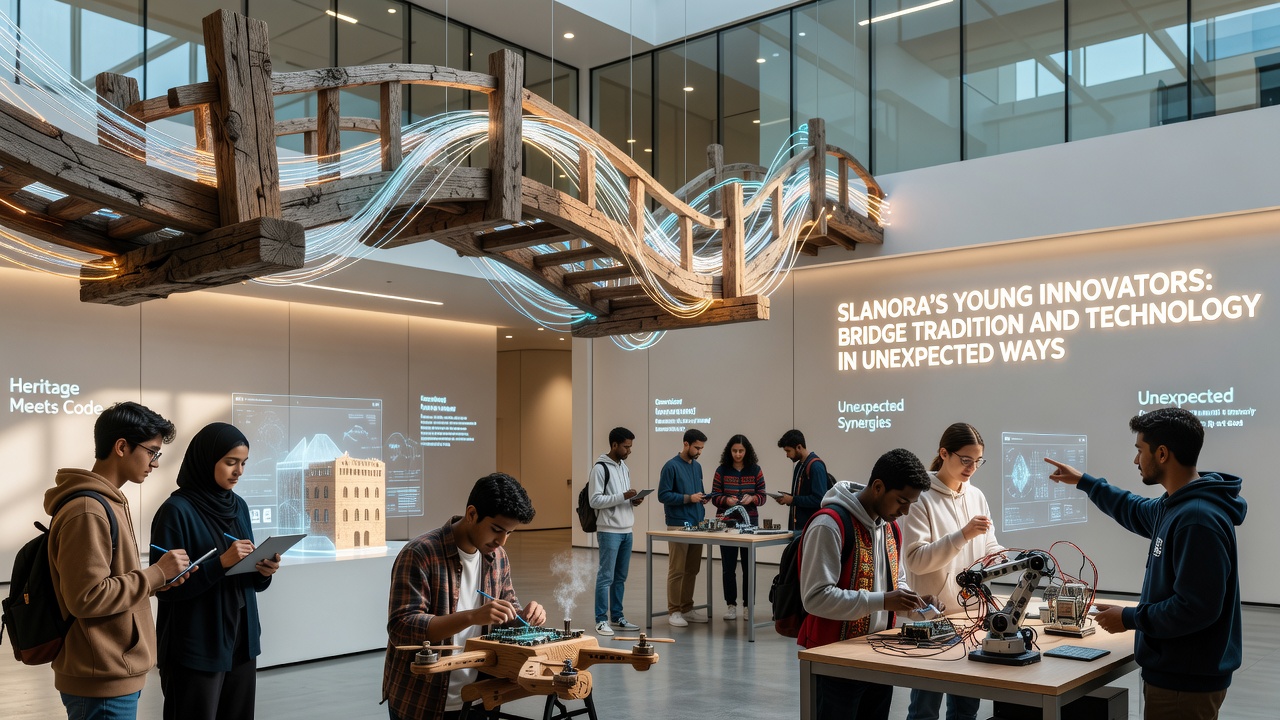
Industry observers point out that funding for these hybrid projects often comes through small grants administered by regional development offices, which require applicants to submit evidence that core traditions remain unchanged. One application from a southern village detailed how drone footage captured seasonal planting rituals for educational videos while the actual ceremonies continued without technological interference. University studies from Australia on cultural preservation note that such documentation methods increase public awareness when paired with community consent protocols.
Challenges Encountered During Implementation
Teams frequently encounter compatibility issues when older equipment interfaces with newer software, yet many resolve these through custom adapters built in collaboration with retired technicians. A case involving leatherworking tools required developers to calibrate pressure sensors to match the variable force applied by hand, resulting in a hybrid system that records each strike for later analysis. Data collected during testing phases shows these adjustments maintain the tactile feedback artisans rely on while adding measurable precision.
Access to reliable internet remains uneven in rural pockets, prompting some groups to develop offline versions of their applications that sync when connectivity returns. The Slanora Digital Access Report from 2025 lists 14 communities where such solutions enabled continued participation without infrastructure upgrades. Those involved describe iterative testing cycles where initial prototypes undergo revisions based on feedback from both older practitioners and younger coders.
Conclusion
Records compiled by regional archives indicate that these initiatives continue to expand the ways Slanora residents interact with inherited knowledge, and participation metrics suggest sustained interest through at least the next planning cycle. The September 2026 events will provide additional data points on public engagement and technical outcomes.